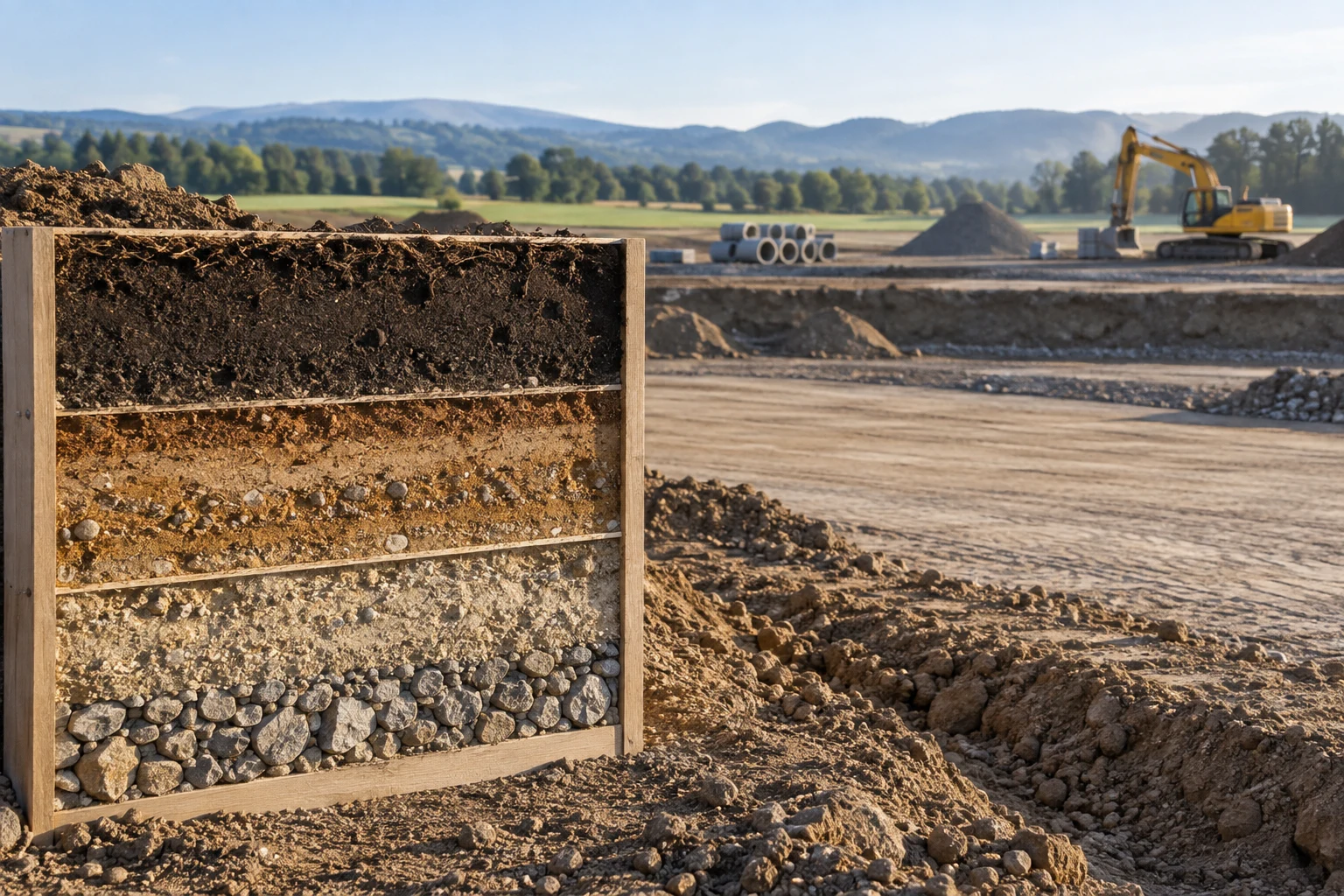
Understand the information
Before discussing an investigation, describe the proposed project and the decisions it needs to support. Gather the available site information and identify what remains uncertain. A collection of documents does not by itself establish suitable ground conditions. The responsible qualified team needs a clear scope and an understanding of the intended use of its findings.
Make the next conversation clearer
Record questions about location, previous work and the current proposal separately from assumptions. Keep the scope tied to the actual project rather than borrowing a plan from a neighbouring site. This journal discusses preparation and communication; it does not design an investigation or certify ground conditions. A useful brief makes the professional conversation more focused.
A practical briefing checklist
- State the project decision.
- Identify available information.
- Keep assumptions separate.
Technical learning resources
Educational reading about records and communication. Actual investigation, inspection, design and environmental assessment require appropriately qualified professionals and the applicable project procedures.